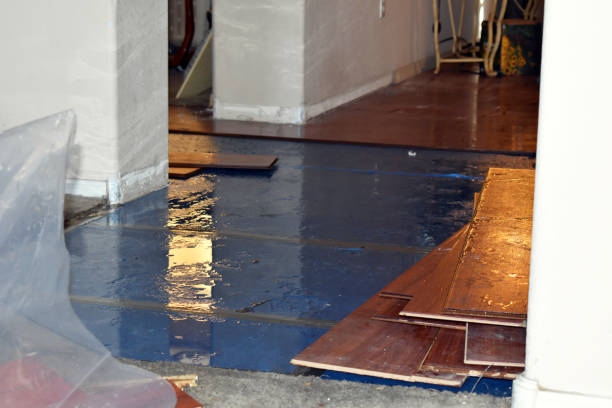
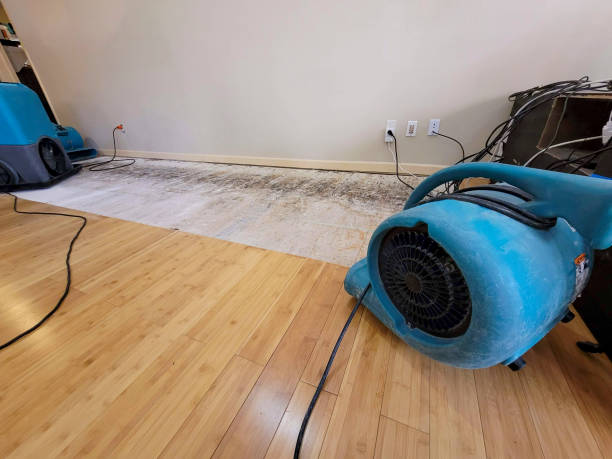
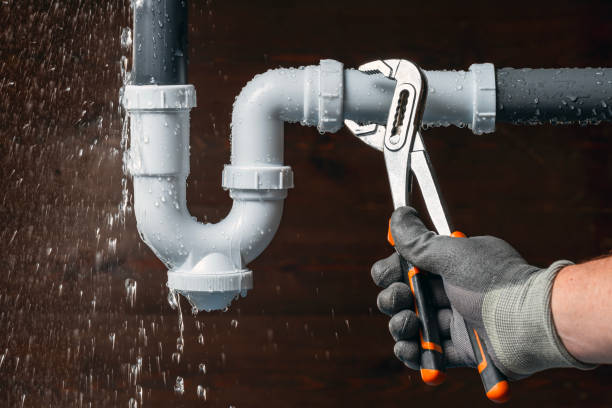
A flooded basement means standing water against foundation walls, saturated storage, and a musty smell that won't quit. Our Basement Flood Cleanup process addresses all three.
Call +1-844-833-1325 Now
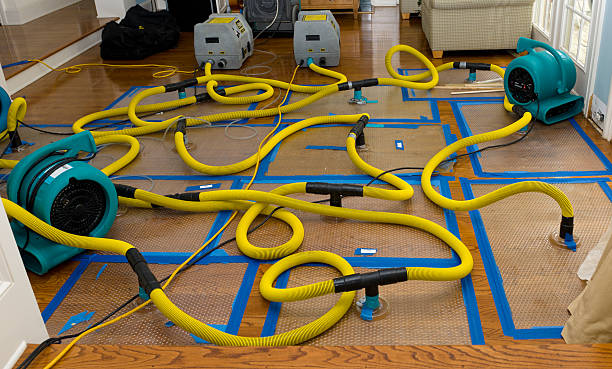
Below-grade water behaves differently than water on a normal floor because of groundwater pressure, which is why basement extraction gets a different equipment approach than an upstairs room.
We'd rather explain the basement flood cleanup process in plain terms upfront than have you find out the hard way what a shortcut costs later.
These four things matter together, not in isolation — certification, speed, honest pricing, and the right equipment are what actually change the outcome of a basement flood cleanup call.
None of these standards are unique to us in theory, but they're worth confirming before you let anyone start basement flood cleanup work on your property.

{We check sump pump function and grading issues, not just the water already on the floor.|Cleanup without addressing the drainage cause just invites the same flood again next storm.}
Basement extraction requires different technique than above-grade rooms, given concrete and groundwater pressure.
Local staging matters most on basement floods, where water rises quickly against foundation walls.
A written estimate comes before extraction starts, regardless of basement size or finish level.
Every piece of basement flood cleanup work below follows the same documentation standard, whether it's a small job or a larger one.

Fixing the visible water without addressing the cause just delays the next flood.
Extraction equipment is adjusted for concrete slab and below-grade conditions.
Basement storage often takes the worst of a flood; we assess what's salvageable on-site.
Wet drywall and insulation in finished basements usually need removal up to the waterline.
Antimicrobial treatment addresses the odor at its source, not just masking it.
A foundation wall that stays damp after cleanup usually points to an unresolved exterior drainage issue.
This is the same sequence every basement flood cleanup job follows, regardless of size.
A real person answers, asks a few fast questions, and routes the nearest available crew.
Local staging is what makes rapid arrival possible, rather than a promise with nothing behind it.
The assessment sets the whole plan, so we don't rush it even when the visible damage looks minor.
A job isn't closed on a visual check — it's closed on a verified reading.


"Our basement flooded every time it rained hard until they found the actual grading issue."
Miguel R., Kenton"They sorted through our storage boxes and were honest about what wasn't salvageable."
Dana E., Kenton"Fast, thorough, and they explained the below-grade drying timeline clearly."
Theo B., Kenton"They checked the foundation wall for ongoing seepage instead of just calling the job done."
Naomi F., Kenton"A sump backup during a power outage flooded our basement and they had a generator-powered extraction plan ready within the hour."
Angela F., KentonThese are the questions we hear most often about basement flood cleanup, gathered from real calls, not a generic template list.

Our basement flood cleanup coverage spans 38233, with trucks positioned to reach any address in the service area quickly.
Whether your address sits in the city core or a neighboring zip code, the same basement flood cleanup response standard applies.